

Hear from Our Customers
You can’t always see mold, but you might smell it. Or maybe someone in your house has been coughing more than usual, dealing with headaches, or struggling with allergies that won’t quit. That’s when the questions start.
Is it actually mold? Where is it coming from? How bad is it?
A professional mold test gives you real answers. We take samples from your air and surfaces, send them to a certified lab, and get back results that tell you exactly what type of mold you’re dealing with and how much of it is present. That means no more guessing. No more wondering if that musty smell is just an old house thing or something that needs immediate attention.
Once you know what’s there, you can make informed decisions about what comes next. Whether it’s a small issue you can monitor or something that needs remediation right away, you’ll have the facts. And if you do need mold removal, you’ll know the best approach based on lab results – not assumptions.
We’ve been helping homeowners and business owners across Bucks County deal with mold issues for years. We’re not new to this area, and we’re not new to the problems that come with Pennsylvania’s humid summers and aging homes.
Our technicians are trained, certified mold remediation professionals who understand how to properly test for mold – not just look for it. We use EPA-approved methods and work with accredited labs to make sure your results are accurate and actionable.
We know Elmwood Terrace. We know the older homes here, the basements that leak, the ventilation issues that come with properties built decades ago. When you call us, you’re working with people who’ve seen it before and know how to handle it.
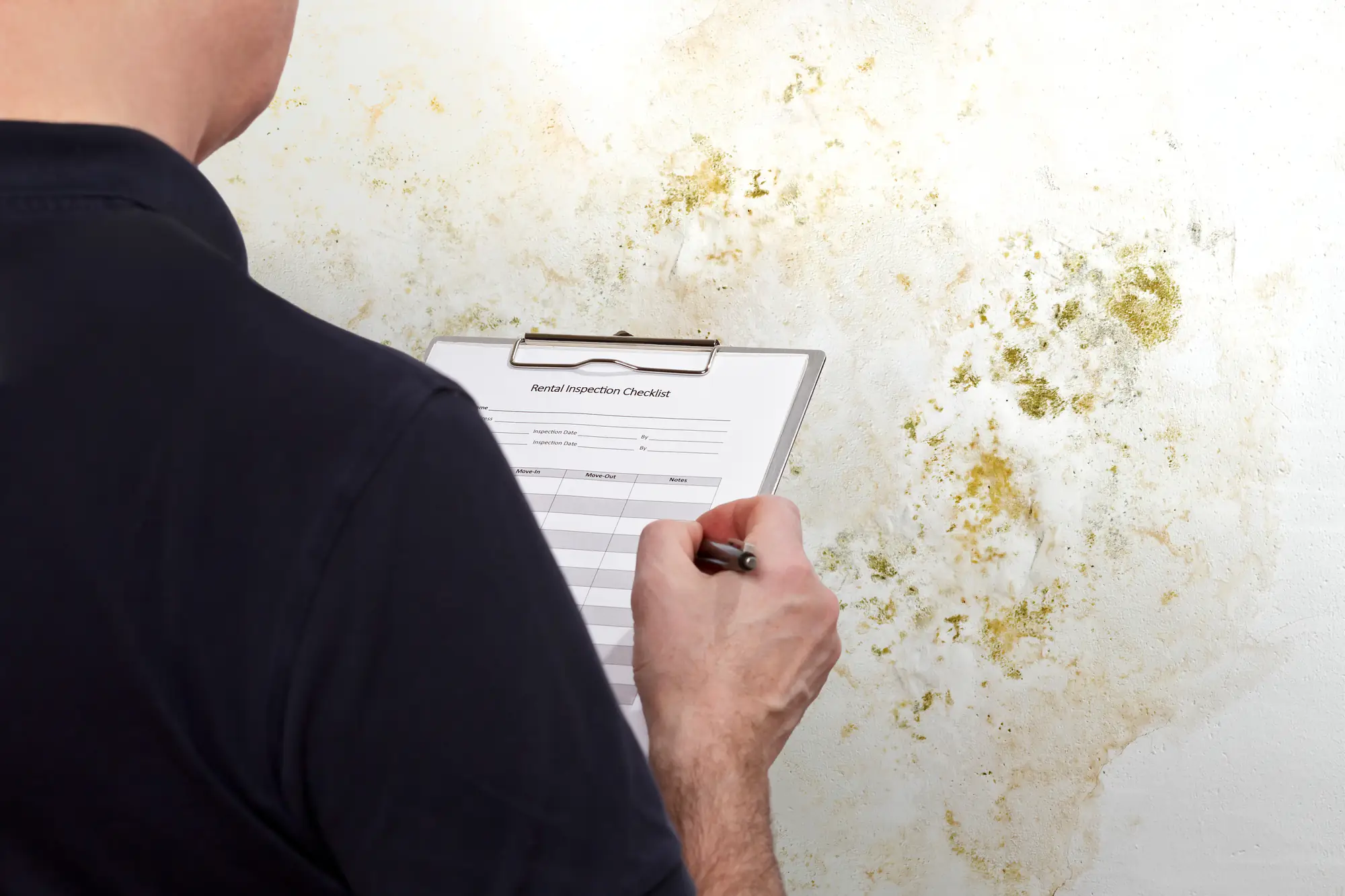
First, we come to your property and do a thorough inspection. That means checking the obvious spots – bathrooms, basements, kitchens – but also the hidden areas where mold loves to grow. Behind walls, inside HVAC systems, under flooring, around windows. We’re looking for visible mold, but also moisture problems and conditions that let mold thrive.
Next, we collect samples. We take air samples to see what’s floating around that you’re breathing in every day. We also take surface samples from areas that look suspicious or show signs of growth. These samples go straight to a certified laboratory for analysis.
The lab identifies the type of mold, measures the concentration levels, and sends us a detailed report. We review those results with you in plain language – no jargon, no runaround. You’ll understand what was found, where it was found, and what it means for your health and your property.
From there, we talk about next steps. If remediation is needed, we explain the process and give you a clear estimate. If it’s something you can manage on your own with better ventilation or a dehumidifier, we’ll tell you that too. The goal is to give you the information you need to make the right call.
Ready to get started?
When we test your home or business, you’re getting a comprehensive assessment – not just a quick look around. We inspect your entire property, including areas you might not think to check. That includes crawl spaces, attics, wall cavities, and anywhere moisture tends to collect.
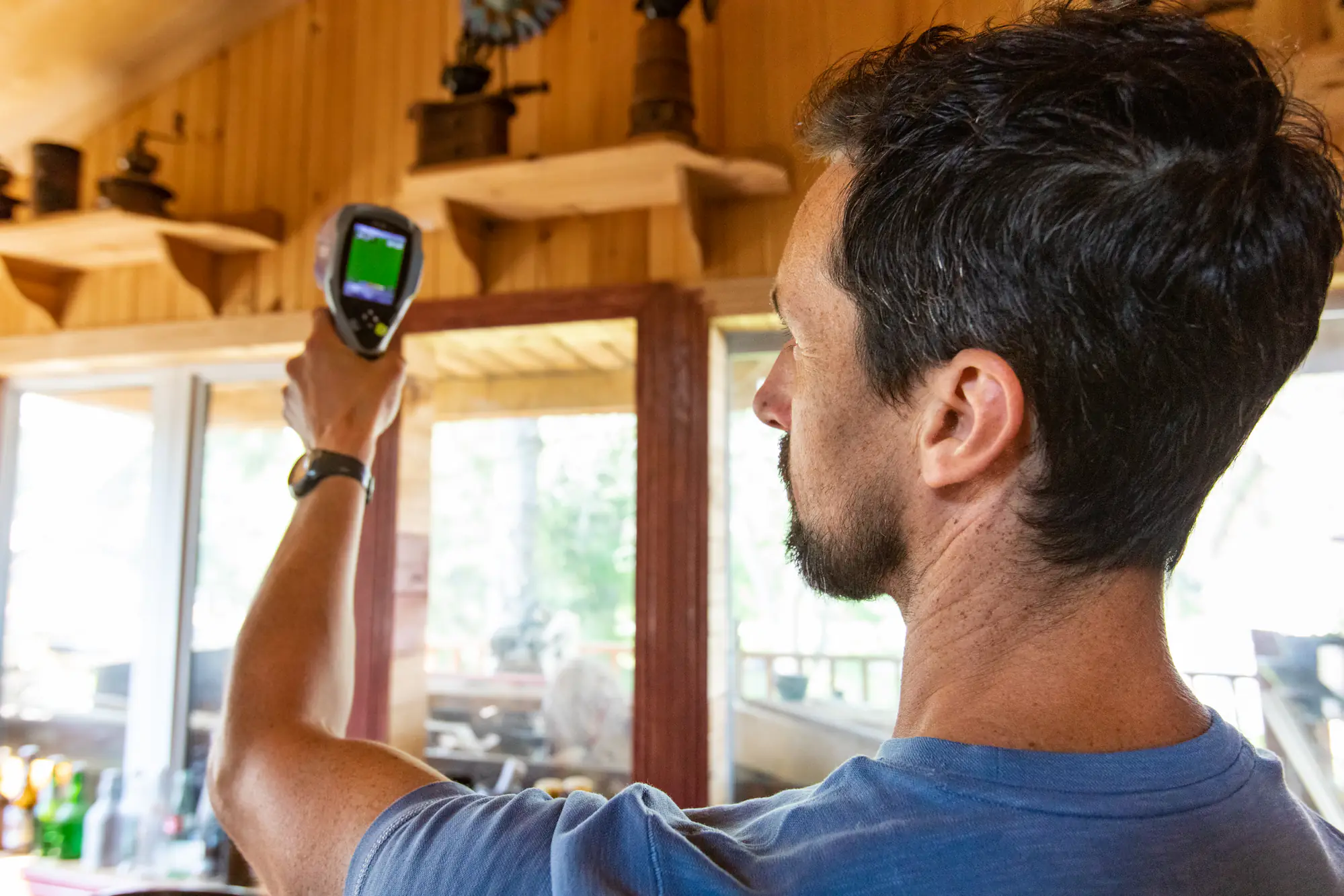
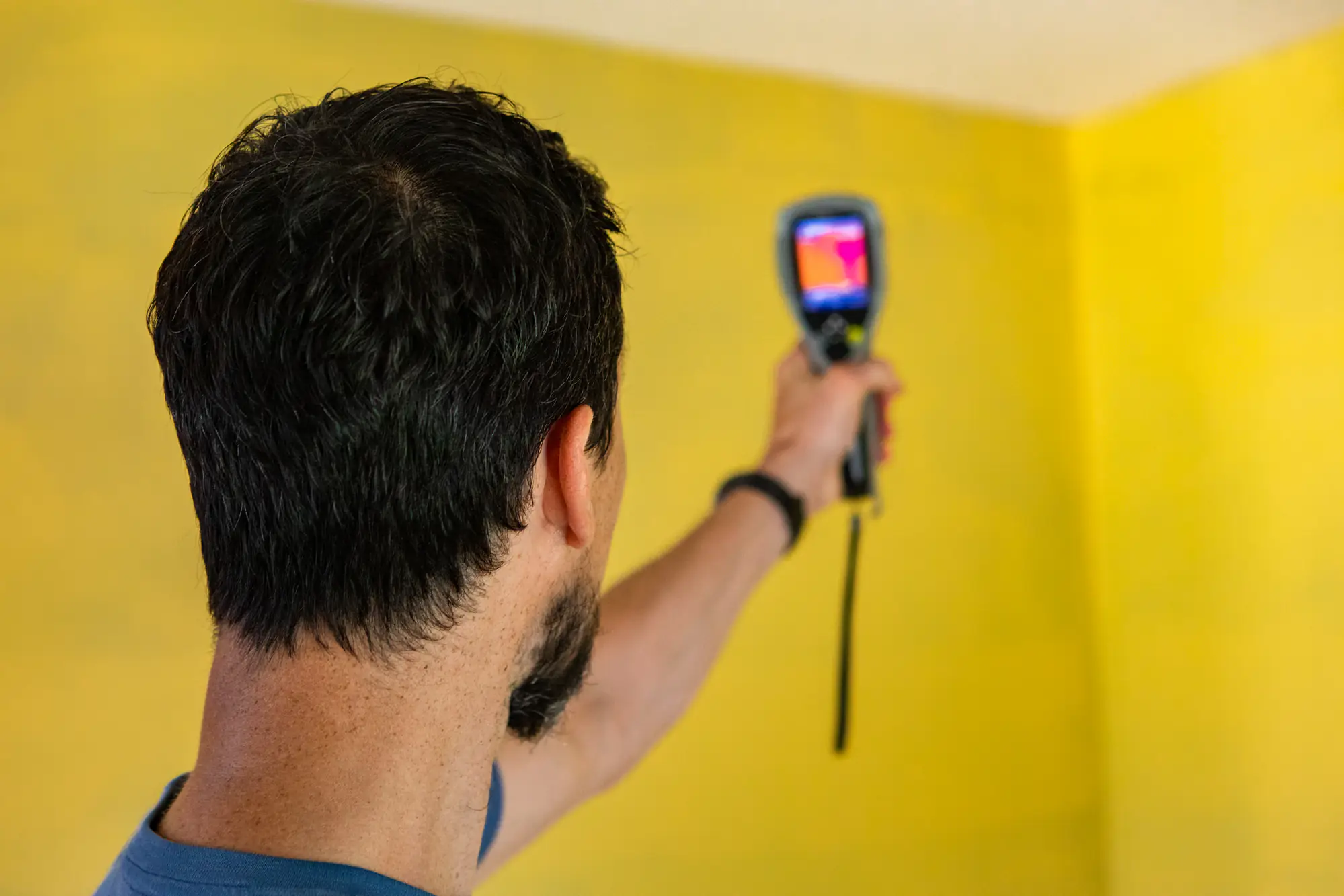
We use advanced detection equipment to find mold that’s hidden from view. Infrared cameras, moisture meters, and air quality monitors help us identify problem areas even when there’s no visible growth. This is especially important in Elmwood Terrace, where older homes often have hidden moisture issues from outdated drainage systems or poor ventilation.
You’ll also get laboratory analysis from an accredited facility. That’s not something every company offers, but it’s the only way to know for sure what type of mold you’re dealing with. Black mold, for example, requires a different approach than common household molds. The lab report gives us the data we need to recommend the right solution.
And if you’re dealing with a real estate transaction, insurance claim, or health concern, you’ll have documentation that holds up. Our reports are detailed, professional, and compliant with Pennsylvania regulations. That matters when you need proof for a buyer, an insurance adjuster, or a doctor.
Most lab results come back within 3 to 5 business days after we collect the samples. The timeline depends on the lab’s workload and the type of testing being done, but we work with accredited facilities that prioritize accuracy and reasonable turnaround times.
Once we receive the results, we’ll contact you right away to go over what was found. We don’t just send you a report and leave you to figure it out. We walk through the findings with you, explain what the numbers mean, and answer any questions you have about the next steps.
If you’re in an urgent situation – like a real estate closing deadline or a serious health concern – let us know upfront. We can sometimes request expedited processing, though that may come with an additional lab fee.
Home test kits can tell you if mold is present, but they can’t tell you what kind of mold it is, how much is there, or whether it’s actually a health risk. Most homes have some level of mold spores in the air – that’s normal. What matters is the type and concentration.
A professional mold test gives you lab-verified results that identify the specific species of mold and measure the levels in your home. That’s critical information if you’re dealing with black mold or toxic varieties that require immediate remediation. It’s also important if you’re trying to figure out why someone in your household is experiencing respiratory issues or allergies.
Beyond that, professional testing includes a full property inspection. We find the source of the mold – the leak, the humidity problem, the ventilation issue – so you’re not just treating the symptom. If you’re selling your home, refinancing, or filing an insurance claim, you’ll also need documentation that meets industry standards. A home kit won’t give you that.
Air testing measures the concentration of mold spores floating in the air inside your home. We collect air samples from different rooms and compare them to outdoor air levels to see if your indoor air quality is compromised. This is useful when you suspect mold but can’t see it, or when someone in your home is having unexplained health symptoms.
Surface testing involves taking samples directly from areas where you see visible growth or suspect hidden mold. We swab or tape-lift material from walls, ceilings, floors, or other surfaces and send it to the lab for analysis. This tells us exactly what type of mold is growing in a specific location.
In most cases, we recommend both. Air testing shows you what you’re breathing in every day. Surface testing confirms what’s actually growing in your home and where. Together, they give you a complete picture of your mold situation – and that’s what you need to make an informed decision about remediation.
The cost depends on the size of your property, the number of samples we need to collect, and whether you’re doing air testing, surface testing, or both. For most residential properties in Elmwood Terrace, you’re looking at a few hundred dollars for a comprehensive inspection and lab analysis.
We offer free initial inspections, so we can assess your situation and give you a clear estimate before any testing is done. That way, you know exactly what you’re paying for and why. If we don’t think testing is necessary – maybe the issue is obvious and can be addressed without lab work – we’ll tell you that too.
Keep in mind that mold testing is an investment in your health and your property value. If you’re dealing with a potential mold problem, guessing or ignoring it can cost you a lot more down the road. Home resale values can drop 20 to 37 percent when mold issues aren’t properly addressed. Getting tested now can save you from bigger problems later.
If lab results confirm black mold – or any toxic mold variety – we’ll walk you through what that means and what needs to happen next. Black mold, also known as Stachybotrys, can cause serious health problems, especially for kids, elderly family members, or anyone with respiratory issues. It’s not something you want to leave alone.
The good news is that black mold can be safely removed using EPA-approved methods. We’ll develop a remediation plan based on where the mold is located, how widespread it is, and what’s causing it to grow. That usually involves containment, removal of affected materials, air filtration, and treating the source of moisture so it doesn’t come back.
We handle the entire process, and we do it in compliance with Pennsylvania regulations. You won’t have to deal with multiple contractors or figure out the next steps on your own. We also work with insurance companies to help you file claims if your policy covers mold remediation. The key is acting quickly once you know it’s there – black mold doesn’t get better on its own.
Absolutely. If you’re buying a home, mold testing gives you peace of mind before you close. Many buyers request professional mold inspections during the due diligence period, especially for older homes in Bucks County where moisture and ventilation issues are common. If mold is found, you can negotiate repairs, a price reduction, or walk away from the deal altogether.
If you’re selling, getting tested before you list can prevent surprises during the buyer’s inspection. It shows transparency and gives you time to address any issues on your own terms. As many as half of potential buyers back out once they learn a property has had a mold problem – so catching it early and handling it properly protects your sale.
Either way, you’ll have professional documentation that meets real estate standards. Our reports are detailed, lab-verified, and accepted by lenders, inspectors, and insurance companies. That’s important when money and contracts are on the line.
Other Services we provide in Elmwood Terrace